Coventry’s only 5-Star Rated scaffolding company
Why Regular Scaffolding Inspections Are Crucial for Safety and Compliance
When working at heights, safety is paramount, not just for a successful project but for the protection and well-being of workers, the prevention of accidents and maintaining compliance with industry regulations. In this blog post, we explore why regular scaffolding inspections are crucial for safety, structural integrity and long-term compliance.
The Importance of Regular Scaffolding Inspections
Protecting Worker Safety
Worker safety should be at the forefront of every scaffolding project. When working at heights, all it takes is one mistake for an accident to occur. The best way to prevent this is through regular inspections as a proactive measure. By assessing scaffolding and checking for loose planks, weak joints or structural defects, inspections can prevent accidents from occurring. This allows workers to perform their duties with their equipment with complete confidence.
Ensuring Structural Integrity
In the unpredictable British weather, it’s only a matter of time until scaffolding is exposed to environmental stress and general wear. Rain, wind and temperature changes can lead to corrosion or weakened connections. This is why regular scaffolding inspections are crucial, as changes can occur after enough use.
Regular inspections ensure damaged components such as braces, boards or joints are identified early. This helps maintain stability and prevents sudden failures that could compromise safety and the completion of a project
Maintaining Compliance with Regulations
Health and safety regulations require scaffolding to be inspected regularly and after any significant alteration or adverse weather. Inspections also need to be documented to ensure regulatory compliance. Regular checks not only keep workers safe and prevent accidents, they also protect businesses from penalties, legal consequences and downtime associated with non-compliance. This makes inspections not only essential but a cost-effective decision to ensure a successful project.
Key Benefits of Regular Scaffolding Inspections
Preventing Costly Delays
Project delays are frustrating for all parties involved. Especially, when its due to preventable issues such as structural failures that could’ve been prevented. By scheduling an inspection, businesses can identify and resolve issues before they escalate, thus preventing expensive delays. This proactive approach keeps work on track and helps projects stay within a timeline and budget.
Extending the Lifespan of Equipment
Sometimes, a minor issue can escalate after repeated use. Scaffolding experiences a lot of wear and tear due to foot traffic, workers carrying equipment and the movement of heavy materials, all of which place strain on joints, planks and supports every time. Routine inspections allow minor issues to be repaired before they develop into serious damage. By addressing early signs of wear or corrosion, the longevity of scaffolding equipment is significantly extended.
Enhancing Project Efficiency
When scaffolding is secure and sturdy, workers can focus on their tasks without hesitation. Regular inspections improve overall productivity, as they help prevent project delays due to downtime for maintenance and repairs. This creates a smoother project timeline and allows workers to meet important deadlines.
What a Proper Scaffolding Inspection Includes
Checking Structural Components
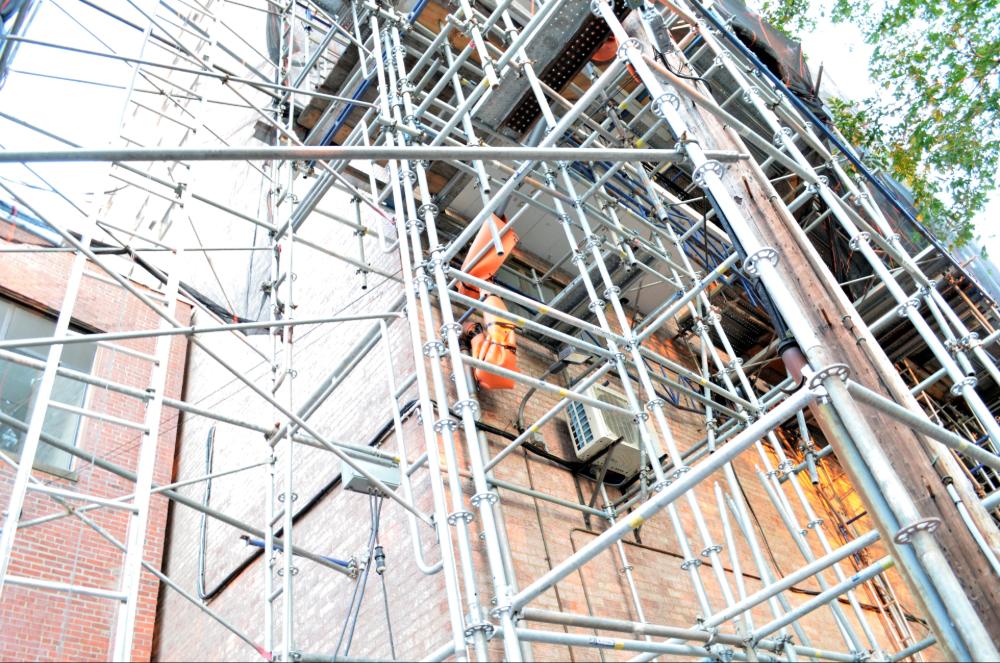
Inspectors carefully assess key scaffolding components including planks, braces, joints and supports. Each part must be examined for wear, bends or structural weakness that could impact stability. Even small defects can compromise the scaffolding, making scaffolding checks vital to preventing hazards and worker safety.
Evaluating Stability and Load Capacity
An inspection must verify that the scaffolding is safe for the intended work and specific application, adhering to the 3-to-1 rule for scaffolding structures. This involves checking the foundation’s integrity, ensuring proper anchoring and confirming balanced weight distribution. This evaluation helps ensure scaffolding can support workers, tools and materials.
Reviewing Safety Features
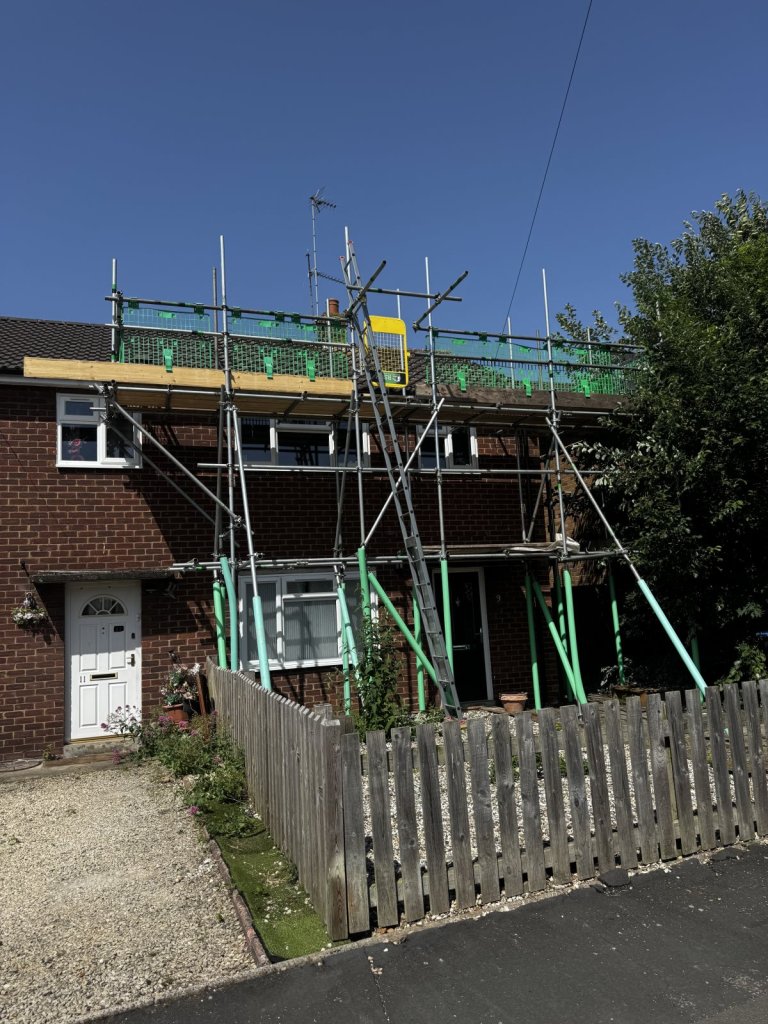
Safety features such as guardrails, toe boards and netting barriers are the first line of defence in preventing accidents and keeping workers secure. These features protect against falls and provide safe entry and exit for workers. Therefore, all of a scaffold’s safety features must be assessed to fortify the overall protection they provide for workers on site. A thorough inspection conducted by professionals ensures a functional and secure structure with properly maintained safety features.
Want To Find Out More on Scaffolding Inspections?
Contact us to discover how we can provide installation, inspection and maintenance services that keep your scaffolding safe, reliable and fully compliant. Protect your workforce with our robust scaffolding solutions. Call us on 024 7531 4576 or send us an email at enquiries@rsuk.org.uk.
WE ARE RSUK
Related Blogs
RSUK is a reputable scaffolding business based in Coventry. We serve customers in Leicester, Birmingham, Coventry, and the surrounding areas.