Coventry’s only 5-Star Rated scaffolding company
What is the 3 to 1 Rule for Scaffolding?
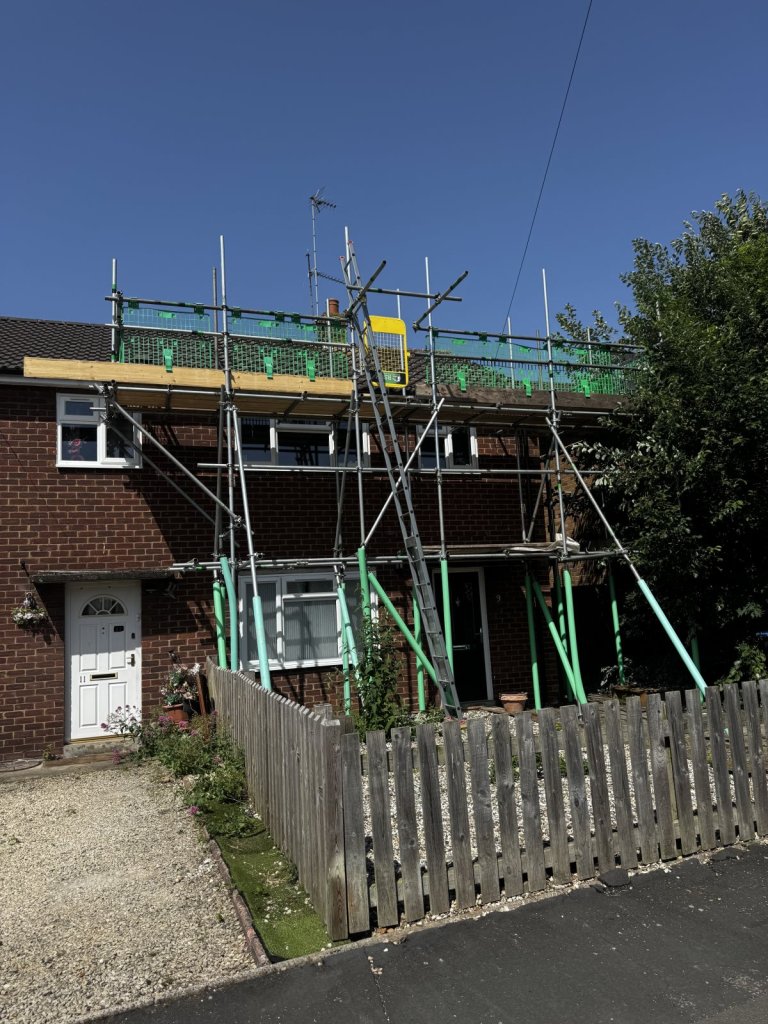
The 3 to 1 rule is an important safety measure that’s implemented for free-standing scaffold structures. It is a straightforward safety standard that provides visual guidance on stability and refers to how the height of a scaffolding structure should not exceed three times its width.
It is a height-to-base ratio that provides workers with an effective way to judge whether a scaffold structure is likely to remain stable before additional safety measures are applied. However, this is more than a helpful visual cue, it is vital for safety and compliance in accordance with the Work at Height Regulations 2005 Act.
In this helpful guide, we’re going to further explore the importance of the 3 to 1 rule, how it applies to different types of scaffolding and its role in improving worksite safety.
Understanding the 3 to 1 Rule in Simple Terms
Simply put, the 3-to-1 ratio means a scaffold’s height should not exceed three times the width of its base. So, if a scaffolding structure is 7.01 metres in height, then the minimum base width should be 2.34 metres. This is to help ensure stability and avoid having a narrow structure that is susceptible to tipping or instability on site.
The simplicity of the rule is useful because workers can quickly assess whether a structure appears proportionate and stable. While many other factors must be considered when evaluating scaffold safety, the 3-to-1 rule provides a helpful starting point for basic stability checks on site.
Why the 3 to 1 Rule is Critical for Scaffold Safety
When it comes to scaffolding, safety measures should always be the top priority. It keeps everybody secure, enables workers to complete tasks with assurance and reduces the risk of accidents. The 3-to-1 rule is an important safety measure that facilitates practical stability checks when setting up free-standing scaffolding structures.
One of those safety aspects that the 3-to-1 ratio helps with is wind loading. As the height of a scaffolding structure increases, so does the exposure to wind loading. Wind load refers to the force that wind applies to a structure. The wider the scaffold base, the better it can resist these lateral forces and remain stable under changing weather conditions.
In the UK, scaffold stability and safety are governed by several recognised standards and regulations, including the Work at Height Regulations 2005 and BS EN 12811-1:2003. Adhering to recognised safety regulations helps ensure scaffolds are proportionate, compliant with UK regulations and capable of providing a secure working platform for contractors and project teams.
Does the 3 to 1 Rule Apply to All Types of Scaffolding?
The 3-to-1 rule primarily applies to free-standing scaffolds and mobile scaffolding towers. This is because these structures are not secured to a permanent building for additional support. They rely on a sturdy base, making the 3-to-1 ratio an important regulation for stability and support.
Tied scaffolding systems follow different structural calculations because they are secured to a permanent structure. Since these use ties and anchor points to enhance stability and lateral support, the scaffold’s overall strength is determined through engineered design calculations rather than simple height-to-base ratios.
What Happens If You Exceed the 3 to 1 Ratio?
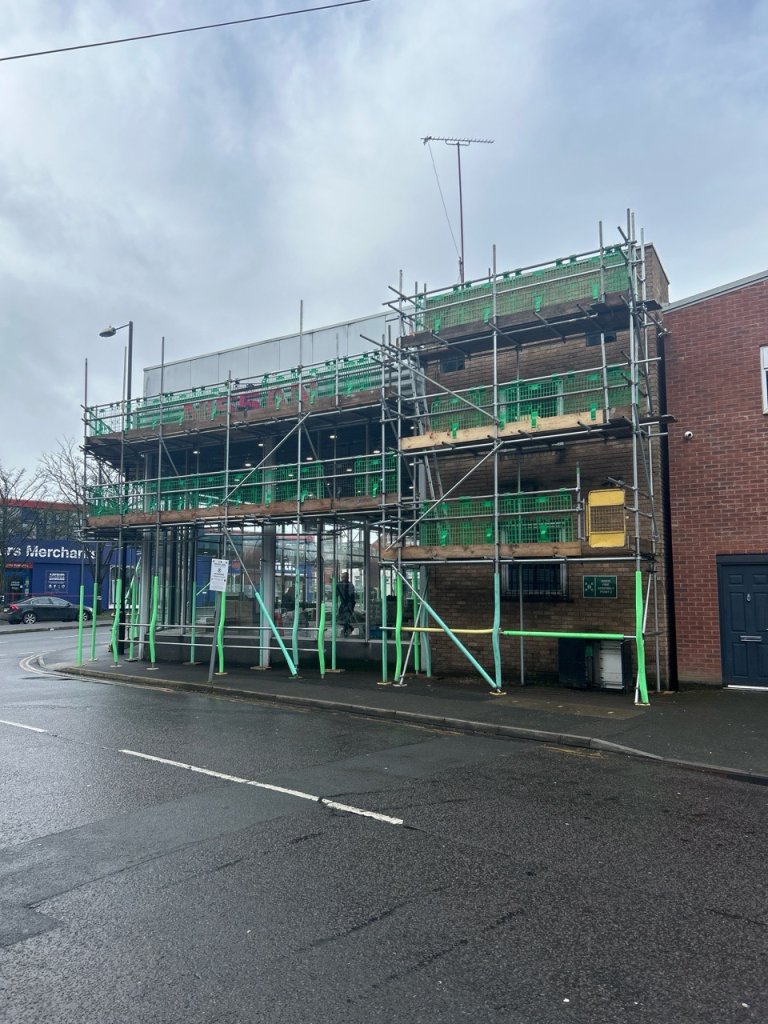
If your scaffolding exceeds the 3-to-1 ratio, then additional support becomes mandatory. This is due to the fact that taller scaffolds are susceptible to movement if they’re not secured.
In these situations, professional scaffolders must assess the structure and implement the correct stabilisation methods. This often involves installing stability anchors, adjustable base plates, additional bracing or securing the scaffold to a permanent structure using ties and anchor points.
Do not implement any DIY modifications to your scaffolding because it’s a massive safety risk, not compliant and severely dangerous. The purpose of the guidelines and regulations for scaffolding is to ensure that the utmost security measures are being implemented to protect everybody. Scaffolding systems must be assembled and modified by competent, trained professionals who understand the engineering principles and safety standards involved.
There are also legal and insurance implications to consider. In the UK, scaffolding must comply with the Work at Height Regulations 2005, which requires any elevated work to be planned, supervised and carried out by competent persons. Failure to do so may result in massive penalties, regulatory breaches and potential liability for contractors or site managers.
Common Misconceptions About the 3 to 1 Rule
There are a few common misconceptions about the 3-to-1 ratio rule. Some consider it a simple “guideline” or just “good practice”, when it’s so much more important than that, it’s a safety standard that contributes to a safe worksite.
Another myth is that the 3-to-1 rule doesn’t apply to small scaffolds. This is simply not true. Small scaffoldings that don’t abide by the 3-to-1 rule can still be unstable and unsafe to conduct work. The next myth states that “ it only matters outdoors due to the wind.” Again, this is not the case, as even indoor scaffolding can deal with issues with stability if it doesn’t meet the 3-to-1 rule.
Need Safe, Compliant Scaffolding in Coventry or Birmingham?
If you need reliable scaffolding that meets UK safety standards, RSUK provides professional scaffolding services for projects across Coventry, Birmingham and the surrounding areas. We have over 40 years of experience and are five-star rated, meaning every structure is designed, installed and inspected in full compliance. Contact us by filling out our contact form, calling us on 0121 820 3456 or emailing us at enquiries@rsuk.org.uk.
WE ARE RSUK
Related Blogs
RSUK is a reputable scaffolding business based in Coventry. We serve customers in Leicester, Birmingham, Coventry, and the surrounding areas.