Coventry’s only 5-Star Rated scaffolding company
Understanding the Different Types of Scaffolding and Their Applications
Scaffolding has been in use for tens of thousands of years, although modern scaffolding is far safer and more sophisticated than its prehistoric predecessors. It also comes in a range of different forms, each with its own specific purpose, from domestic to commercial scaffolding.
We’ll look at the different types of scaffolding, what they’re used for, how to select the right type for your project, safety considerations, as well as how you can ensure you’re working with safe scaffolding that suits your needs.
What is Scaffolding?
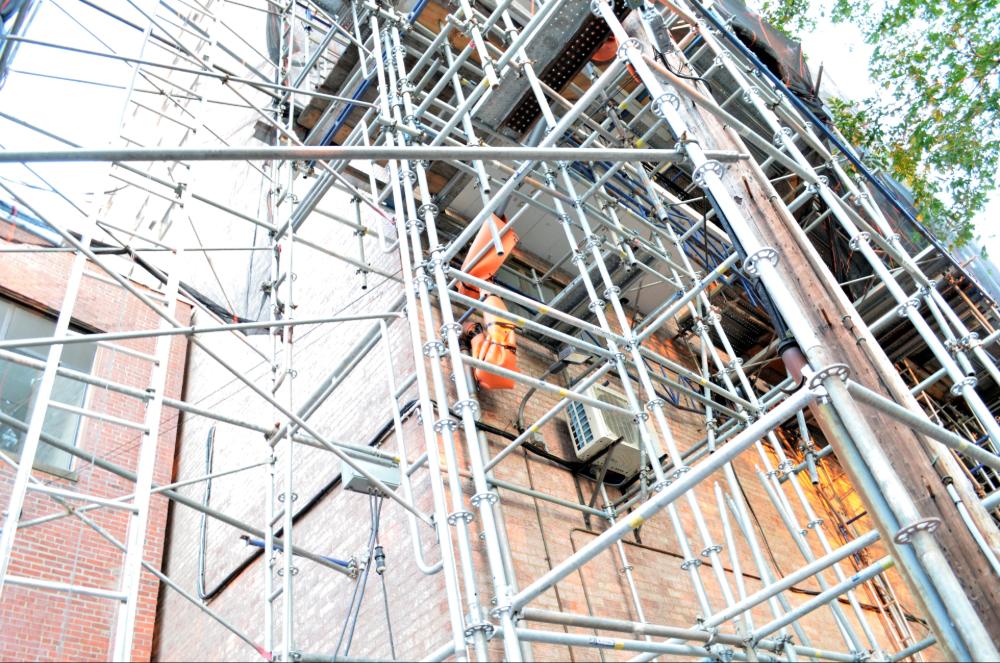
In the most basic sense, scaffolding, whether it’s commercial, industrial or domestic scaffolding, is a series of platforms constructed on a temporary basis to allow for work to be conducted at height on a building. It uses uprights (standards) bolstered by horizontal scaffolding tubes (ledgers) using specialised connectors.
It can be connected to the building in question or constructed independently of it, depending on the needs of the project and the integrity of the structure.
The Main Types of Scaffolding
Fixed Scaffolding
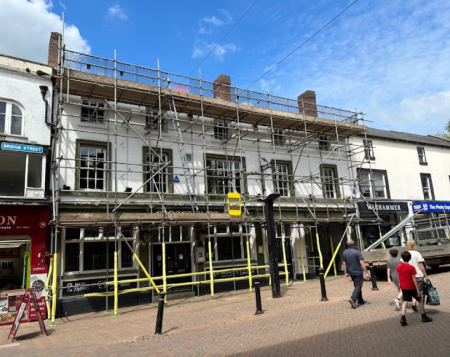
As the name suggests, fixed scaffolds are set in place and cannot be moved, allowing safe and stable access to the exterior of a building for a range of work types, from construction to inspection.
Mobile Scaffolding
Unlike fixed scaffolding, mobile scaffolding can be moved around a site as needed. It is commonly favoured as a form of domestic scaffolding for housing construction sites.
Catenary Scaffolding
Catenary scaffolding is a form of suspended scaffolding that uses ropes or cables to hang a platform next to a building. It is relatively quick to install and is favoured for maintenance or cleaning tasks in particular.
Interior Hung Scaffolding
Platforms are suspended from two horizontal beams that run parallel to the building, giving a versatile workspace that can be set at any height.
Float Scaffolding
Float scaffolding is very similar to interior hung scaffolding except for the fact that it uses a singular horizontal beam to suspend the ropes, rather than two.
Single Point Adjustable Scaffolding
This type of scaffolding is often used by window cleaners working on skyscrapers and uses a single wire or rope to allow the platform to move up and down the face of the building.
Suspended or Swing Set Scaffolding
Suspended or swing set scaffolding allows for the same kind of mobility as single point adjustable scaffolding but is larger – perfect for light maintenance tasks.
Double Scaffolding
Typically used as commercial scaffolding, double scaffolding is larger than single scaffolding making it ideal for stone masonry tasks where it is difficult to attach putlogs.
Needle Beam Scaffolding
Using needle beams, platforms are attached together using putlogs and suspended on their outer edge by wires.
Trestle Scaffolding
A favourite among bricklayers and plasterers, trestle scaffolding can be constructed indoors at heights of up to 5 m.
Tube and Clamp Scaffolding
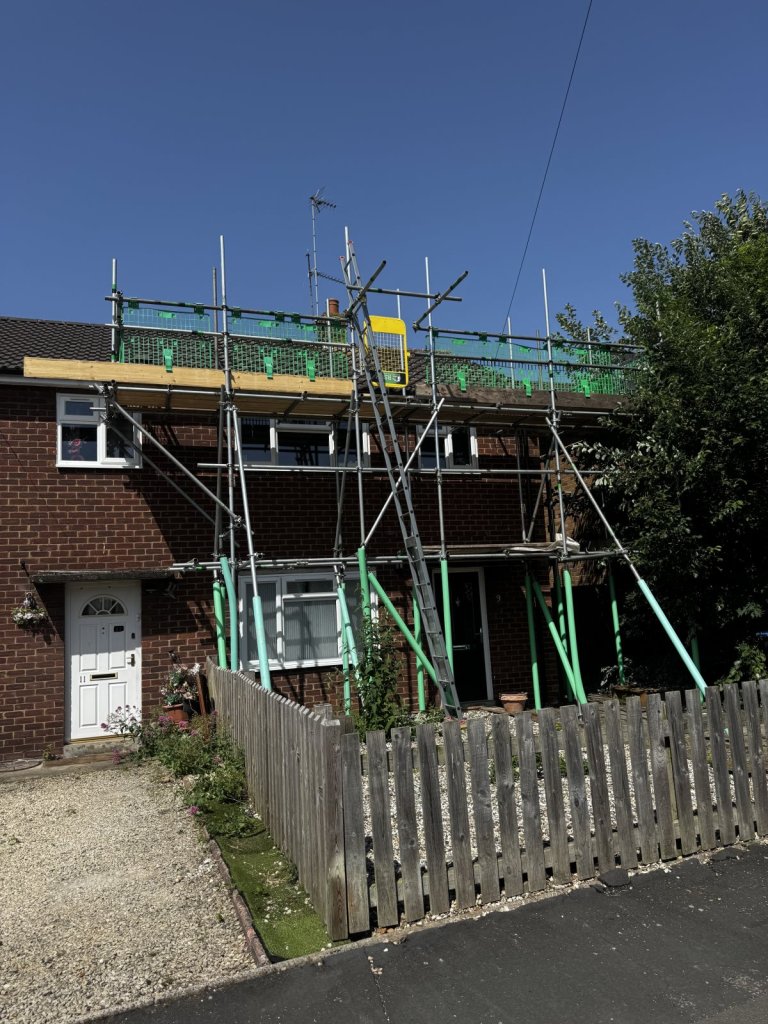
One of the simplest and oldest scaffolding designs, tube and clamp is made up of a series of tubes held together by clips or couples. It’s easy to design and highly stable.
Frame Scaffolding
This type of scaffolding is essentially prefabricated and allows for easy assembly on-site, meaning it has become one of the more popular forms.
Cantilever Scaffolding
In areas where the floor directly in front of a building cannot be accessed, cantilever scaffolding allows the structure to reach over and give easy access for workers.
Applications of Different Scaffolding Types
These various forms of scaffolding all serve a unique purpose, enabling the completion of a variety of tasks.
For example, domestic scaffolding projects tend to favour more simple setups such as tube and clamp as they are easy to erect, durable and inobtrusive to the structure of the home itself. Whereas industrial scaffolding and commercial scaffolding tend to include a broader variety of types, such as suspended or cantilever, as these sites often present more complex challenges and greater heights.
The number of tools and workers required will also influence the type of scaffolding used, as some forms such as suspended systems are better suited to light loads on tall structures, whereas double scaffolding can take heavier loads and greater numbers of workers.

How to Choose the Right Scaffolding for Your Project
In order to choose the right scaffolding for your project, you need to begin by assessing your needs. Are you simply conducting light repairs with simple tools? Or are you carrying out extensive renovations that could take weeks? Longer or more intense projects will inevitably require a sturdier structure than light maintenance or painting work.
You should also consider the accessibility of your site. Is there space to construct large scaffolds directly in front of the building? If not, you may need a cantilever setup, for example.
If you’re unsure about which type of scaffolding you need, it’s best to start by speaking to a scaffolding professional. They will be able to assess the unique requirements of your site and project before offering tailored recommendations.
Safety Considerations When Using Scaffolding
Scaffolding is designed to offer safe access to elevated worksites but can pose its own risks, especially when improperly erected or if the wrong type is used.
Firstly, you should ensure that the scaffolding type you choose is suitable for the job. It should be able to support the appropriate amount of weight and remain stable for the duration of your project. You should also see to it that whichever type you choose is constructed with suitable safety features in place.
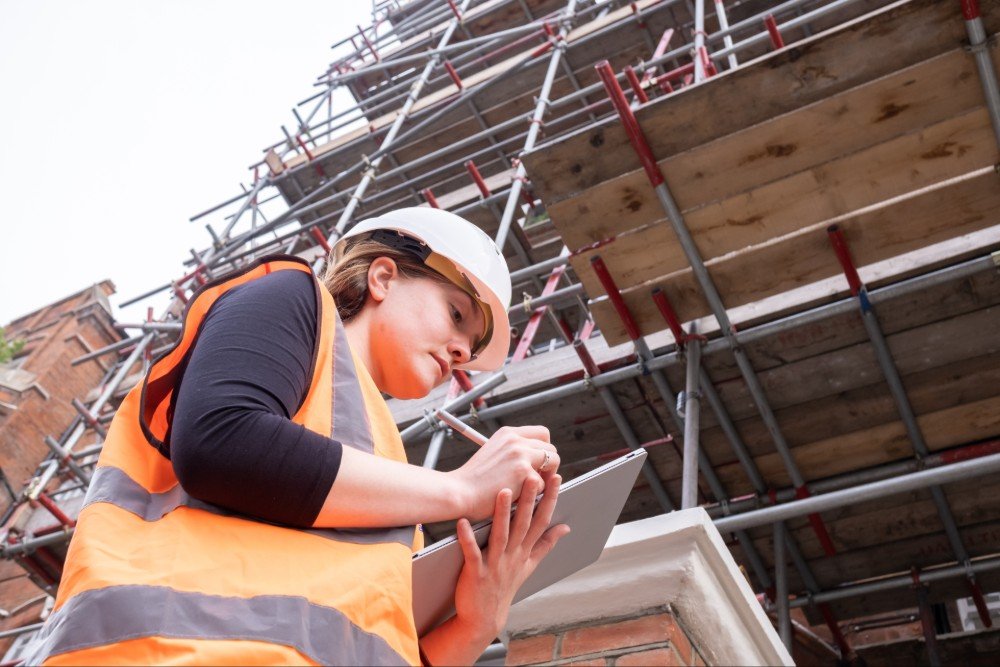
When selecting your scaffolding provider, it’s important to check that they have all the relevant accreditations and that their teams are thoroughly qualified.
The Right Scaffolding for Your Project
Here at RSUK, we are one of the UK’s leading providers of domestic, industrial and commercial scaffolding services. We have more than 40 years of experience and are the only five-star rated scaffolding provider in Coventry.
Our expert, qualified teams can recommend, design, install and maintain the best, safest form of scaffolding for your project, all at affordable prices. To get started, call us today on 024 7531 4576, email us at enquiries@rsuk.org.uk or fill out our contact form here.
WE ARE RSUK
Related Blogs
RSUK is a reputable scaffolding business based in Coventry. We serve customers in Leicester, Birmingham, Coventry, and the surrounding areas.